



Over time, you have seen how shifting search patterns impact your website's performance. You are facing declining organic traffic, yet your business goals remain ambitious. This playbook offers a strategic pivot, moving your focus from chasing volume to maximizing the value of every single visitor who lands on your site.
Modern digital success isn't just about attracting crowds—it's about converting the right prospects efficiently. If your site isn't engineered to capture micro-commitments, personalize experiences, and relentlessly test for improvement, you're leaving revenue on the table. This guide shows you how to build a conversion engine that thrives even when search traffic fluctuates, fueling sustainable growth and stronger ROI.
- Focus on improving the user experience for existing traffic when search volume declines. Every visitor becomes more valuable, so their journey on your site must be efficient and satisfying.
- Analyze your current conversion funnel to identify and fix friction points. Look for pages where users drop off, slow loading times, or confusing calls to action that might be hindering conversions.
- Optimize for micro-conversions, such as email sign-ups or content downloads. Even if a user doesn't make an immediate purchase, capturing their information allows for future engagement and nurturing.
- Personalize content and offers based on user behavior and demographics. Tailoring the experience can make visitors feel understood and more likely to convert, even with fewer people arriving from search.
- Implement A/B testing on key elements like headlines, images, and button text. Continuous experimentation helps uncover what resonates best with your audience, maximizing the conversion potential of every visitor.
Analyzing the Shift from Volume to Value
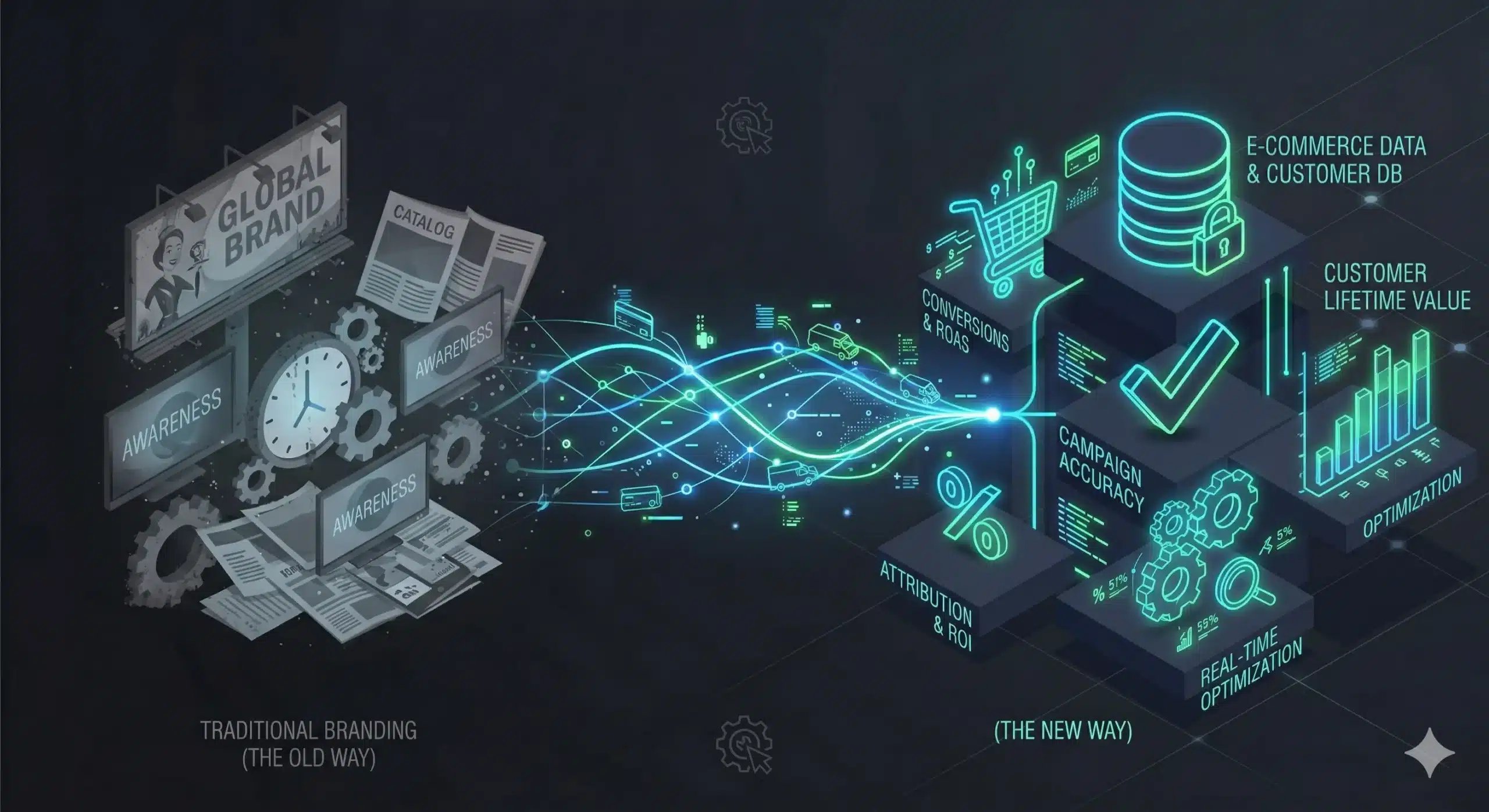
You might observe a significant decline in overall search traffic, but this does not necessarily equate to a proportional drop in conversions. The quality of traffic now outweighs sheer quantity, demanding a strategic pivot in your optimization efforts. Your focus must shift from attracting everyone to attracting the right people. This change signals a necessary re-evaluation of your metrics. You should prioritize engagement rates, time on page, and conversion paths for specific user segments over broad traffic numbers. Understanding user intent becomes paramount in this evolving digital environment, a principle we embed into every SEO and content ecosystem we build.
Implementing Advanced Personalization
You recognize the need to maximize every visitor interaction when search traffic dips. Advanced personalization moves beyond basic segmentation, allowing you to create truly unique experiences for individual users. This strategy directly addresses diminishing traffic by ensuring the visitors you do receive are met with highly relevant and engaging content, increasing their likelihood of conversion. This approach demands a deeper understanding of your audience, utilizing data points to predict preferences and tailor your site accordingly. You can transform your website from a generic storefront into a curated, individual experience for each user, a capability we scale through AI solutions & automation.
| Strategy | Mechanism |
|---|---|
| Dynamic Content | Adjusts text, images, and offers based on user profiles. |
| Personalized Recommendations | Suggests products or content relevant to past behavior. |
| Targeted CTAs | Presents calls-to-action that resonate with specific user segments. |
| A/B Testing | Continuously refines personalization efforts for optimal results. |
Tailoring content based on referral data: You gain valuable insights into user intent by analyzing how visitors arrive at your site. A user coming from a product review site likely seeks detailed specifications, while someone from a social media ad might be looking for a quick overview or a special offer. This information allows you to pre-empt their needs. You can customize the initial landing experience, presenting content that directly addresses their originating interest. This immediate relevance reduces bounce rates and guides users toward the most appropriate conversion path.
Utilizing behavioral triggers for real-time engagement: You can respond instantly to user actions on your site, creating a dynamic and interactive experience. A visitor browsing a specific product category might receive a time-sensitive discount pop-up, encouraging immediate action. These real-time interventions significantly influence conversion decisions. Someone repeatedly viewing a specific product, but not adding it to their cart, might be presented with a free shipping offer or a testimonial from a satisfied customer. This immediate, context-aware intervention addresses potential barriers to purchase, significantly improving the chances of conversion by providing the right nudge at the right time.
Maximizing Micro-Conversions
You must shift your focus from solely converting high-intent visitors to optimizing every interaction. Small, seemingly insignificant actions, or "micro-conversions," represent opportunities to guide users deeper into your sales funnel, even if they aren't ready to buy immediately. These include actions like signing up for a newsletter or downloading a whitepaper. This strategy becomes especially powerful when organic search traffic declines, as it ensures you are extracting maximum value from every visitor who lands on your site. You are effectively building a stronger foundation for future conversions.
Micro-conversions are the stepping stones to macro-success. Every email sign-up or resource download is an opportunity to build a relationship that outlasts a single search algorithm update.
Data-Driven Iteration and Testing
You must embrace a cycle of continuous improvement to thrive in a climate of shrinking search traffic. This means constantly analyzing your website's performance, identifying areas for enhancement, and implementing changes based on concrete data. Your ability to adapt quickly will directly impact your conversion rates. This iterative process transforms your website into a dynamic conversion machine. You are not just making guesses; you are making informed decisions that directly address user behavior and optimize the user journey, a methodology we complement with targeted PPC services for accelerated testing.
Prioritizing high-impact A/B testing variables: You should direct your A/B testing efforts towards variables with the greatest potential for conversion lift. Focus on elements that directly influence user decision-making, such as calls-to-action, headline variations, or form field optimizations. Testing minor aesthetic changes often yields insignificant results. Consider the user's immediate goal on each page. You can then identify the elements that most directly impede or facilitate that goal, making them prime candidates for your testing. This strategic approach maximizes your testing resources.
Utilizing qualitative feedback to inform CRO strategy: Understanding why users behave a certain way is as important as knowing what they do. Gathering qualitative feedback through surveys, user interviews, and heatmaps provides invaluable insights into user frustrations and motivations. This feedback uncovers the "why" behind your quantitative data. You might see a high bounce rate on a particular page, but user interviews could reveal that unclear navigation, rather than content, is the primary reason for users leaving. This deeper understanding allows for targeted and effective solutions, moving beyond surface-level assumptions and directly addressing the root causes of conversion roadblocks.
Final Words: Thriving in a Value-First Digital Era
With this in mind, you have a clear path forward for optimizing your conversion rate even as search traffic declines. You must focus on understanding your existing audience deeply, personalizing their experiences, and continually testing improvements to your website and sales funnels. Your efforts in refining the user journey for those who do find you will yield substantial returns. Your ability to adapt to changing search dynamics by prioritizing the quality of interactions over sheer volume of visitors will define your success. Continual analysis of user behavior and iterative improvements based on data will keep your conversion rates strong, allowing you to thrive in a more competitive online environment.
Businesses that embrace personalization, micro-conversion optimization, and rigorous data-driven testing aren't just "doing CRO" — they are engineering a resilient growth system that compounds over time. The digital arena increasingly rewards relevance, user experience, and adaptability. Whether you are exploring industry-specific digital ecosystems or amplifying your optimized content through social media services, the foundation remains: deliver unmatched value to every visitor, and your conversion rates—plus your bottom line—will respond.
Ready to turn your traffic into a high-efficiency conversion engine?
At iWebHacks, we combine behavioral analytics, advanced personalization technology, and data-driven CRO strategy to transform your website into a lead-generation powerhouse—even when search volumes fluctuate. From micro-conversion audits to full-funnel A/B testing frameworks, our team helps you extract maximum value from every visitor.
Don't let algorithm shifts dictate your revenue. Our systematic approach ensures every landing page, CTA, and nurture sequence is optimized for measurable growth. See how we've helped businesses increase conversion rates and build resilient digital pipelines that withstand market volatility.
📘 Explore related resources: SEO Services · AI Automation · Web Design & Development · Industry Solutions