


Artificial Intelligence (AI) is no longer a futuristic concept; it has become an integral part of modern marketing strategies. As businesses constantly seek innovative methods to outpace the competition and enhance customer engagement, AI emerges as a transformative tool that reshapes how marketing is executed. The impact of AI on marketing strategies is profound, from predictive analytics to content creation, and its presence is felt across industries, driving efficiencies and targeting precision at an unprecedented scale.
The Nuances of AI in Marketing
Transformative Power of Data-Driven Decisions
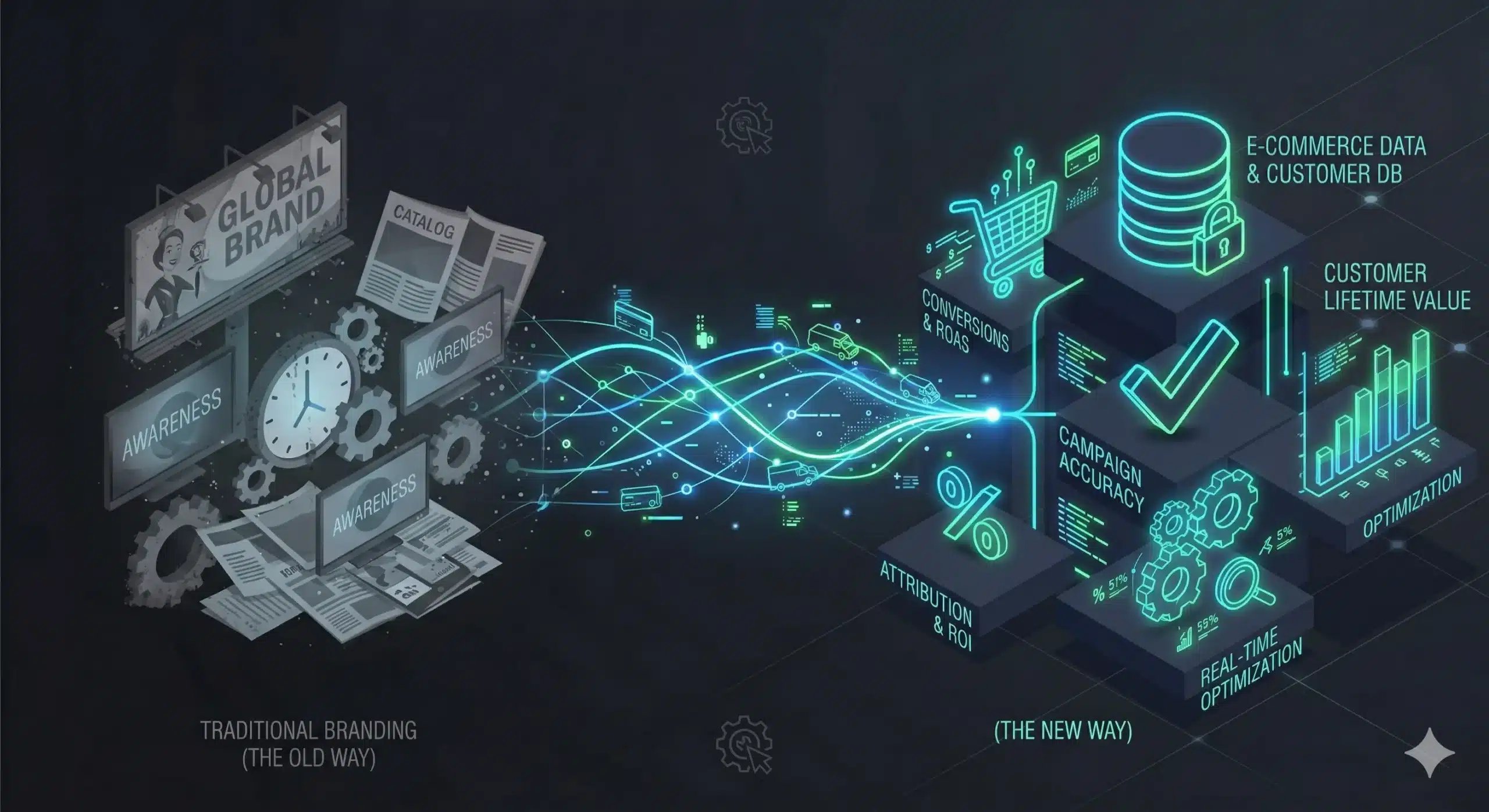
AI’s ability to process and analyze massive datasets allows marketers to unlock previously unimaginable insights. This ability is a game-changer, especially in an age where data is omnipresent but not always clear. By leveraging AI, businesses can extract actionable intelligence from oceans of data, enabling them to make informed marketing decisions that align with their strategic goals.
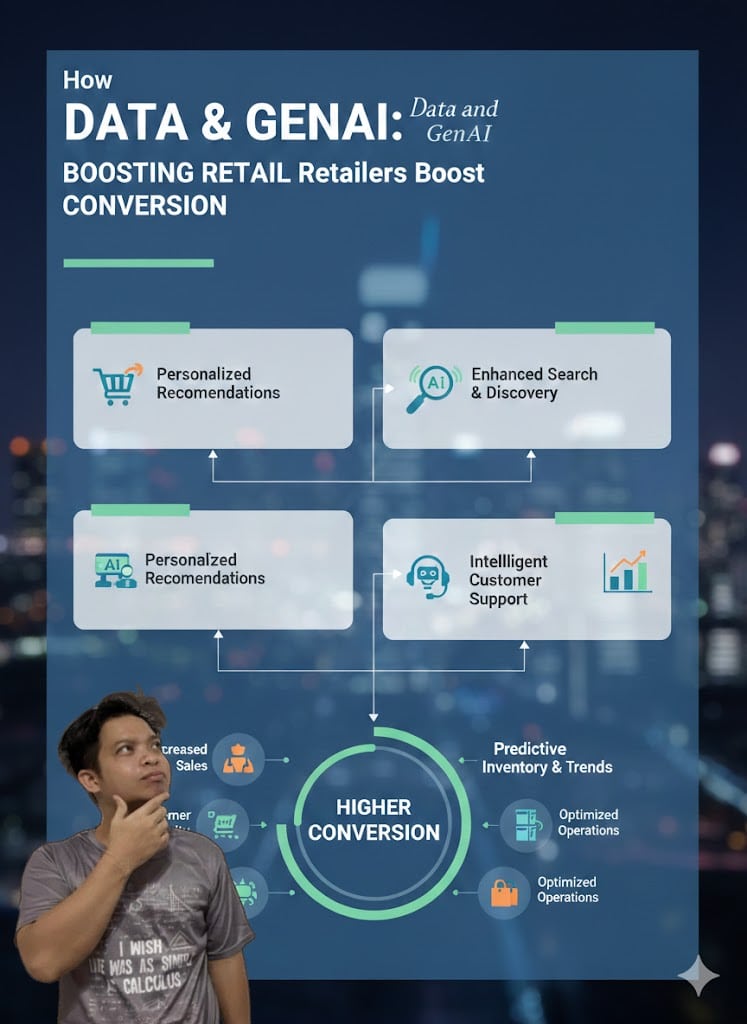
AI-driven data analysis empowers marketers to predict consumer behavior with remarkable accuracy. Predictive analytics, fueled by machine learning algorithms, can anticipate trends, identify customer preferences, and optimize campaign outcomes. This level of precision in targeting enhances the effectiveness of personalized marketing, leading to higher conversion rates and improved customer experiences.
Automation: Simplifying Complex Processes
Marketing automation through AI ensures that repetitive tasks no longer burden human teams. With AI at the helm, processes like email marketing, social media scheduling, and customer follow-ups become streamlined and efficient. Automation not only reduces the margin of error but also frees up valuable human resources to focus on strategic planning and creative development.
For instance, AI-powered chatbots offer real-time customer support, addressing queries round the clock. This accessibility enhances customer satisfaction and ensures businesses maintain a competitive edge in today’s fast-paced digital environment. Furthermore, these chatbots collect crucial interaction data, which can be fed back into the AI systems to refine future interactions and customer experiences.
Personalization: Crafting Unique Customer Experiences
Personalization is at the forefront of AI-driven marketing strategies. By analyzing customer data, AI can deliver tailor-made experiences that resonate with individual preferences. With AI, marketers can dynamically adjust content, product recommendations, and communication styles based on real-time insights into customer behavior.
For example, AI algorithms can segment audiences more accurately than traditional methods, leading to more effective targeted advertising. Through tools like programmatic advertising, brands can connect with their audiences at the right time and place, ensuring no opportunity is missed.
Enhancing Content Creation and Distribution
Content is king, but AI is the new advisor to the monarchy. AI technologies are increasingly aiding content creators by generating data-driven content that elevates consumer engagement and storytelling. Natural Language Processing (NLP) algorithms can produce compelling copy, while AI-driven analytics determine the best platforms and timing for distribution.
Consider tools that analyze trending topics and generate blog posts or social media updates accordingly. Such technology not only keeps brands relevant but also ensures they are part of the conversation, capitalizing on current consumer interests.
Challenges and Considerations
Privacy Concerns and Ethical Implications
While AI’s impact is largely positive, its use raises significant privacy and ethical questions. The vast amounts of data required for AI to function can lead to concerns about data security and user privacy. Marketers must ensure that data collection and AI applications comply with regulations such as GDPR and CCPA, maintaining consumer trust.
Furthermore, the ethical implications of AI in marketing cannot be ignored. AI systems must be transparent to avoid perpetuating biases that can arise from biased data inputs. It’s essential that marketers work towards building ethical AI models that foster inclusivity and fairness in consumer interactions.
The Human Touch
Despite AI’s many capabilities, the role of human creativity and intuition in marketing should not be underestimated. AI might identify trends and automate processes, but it lacks the nuanced understanding and emotional intelligence that human marketers bring to storytelling and brand identity.
The most successful marketing strategies will continue to harness AI’s capabilities while leveraging human ingenuity to connect with customers on a personal level, crafting campaigns that resonate on an emotional level.
Future Trends in AI for Marketing
The Rise of Voice and Visual Search
Voice and visual search are gaining popularity as consumers seek more interactive and convenient ways to find information. AI’s ability to process and understand images and vocal commands is setting the stage for a new era of search marketing.
For instance, integrating visual recognition technology into e-commerce platforms can redefine how consumers interact with products. A quick photo via a smartphone can lead users to purchase options, revolutionizing the path to purchase.
Hyper-Personalization
Hyper-personalization goes beyond traditional personalization by creating micro-targeted experiences based on real-time data analysis. This approach will see AI refining user experiences by delivering highly personalized content and offers that are timely and relevant.
Enhanced Customer Insights
AI’s ability to produce detailed customer profiles will continue to expand. These profiles will enable marketers to create more tailored strategies that cater to individual customer journeys, resulting in more meaningful engagements and long-term brand loyalty.
Real-World Applications and Case Studies
Transformative Examples of AI in Action
Several organizations have already adopted AI tools to revolutionize their marketing efforts. For instance, Netflix uses AI algorithms to recommend content to its users, enhancing user engagement and satisfaction.
Sephora, a global beauty retailer, leverages AI through its Virtual Artist app, allowing customers to try on makeup virtually. This integration not only improves the shopping experience but also drives sales through personalization.
AI in B2B Marketing
B2B marketing has also felt the impact of AI, with tools such as Salesforce Einstein helping businesses analyze customer data to predict potential leads and optimize sales funnels. This predictive capability transforms B2B sales strategies, making them more effective and targeted.
Closing Thought: Empowering Strategic Growth
The impact of AI on marketing strategies is undeniable and its potential is vast. By integrating AI, businesses can transform their approach to marketing, driving efficiency, and delivering results that align with their growth objectives.
As companies continue to experiment with AI technologies, the key will be to balance automation with the human touch. By strategically integrating AI solutions like those offered by iWebhacks, businesses can enhance their digital presence, personalize experiences, and streamline operations, ultimately driving strategic growth and sustained success. To harness the full potential of AI, businesses must remain adaptable, continuously refining their strategies in response to evolving market dynamics.