


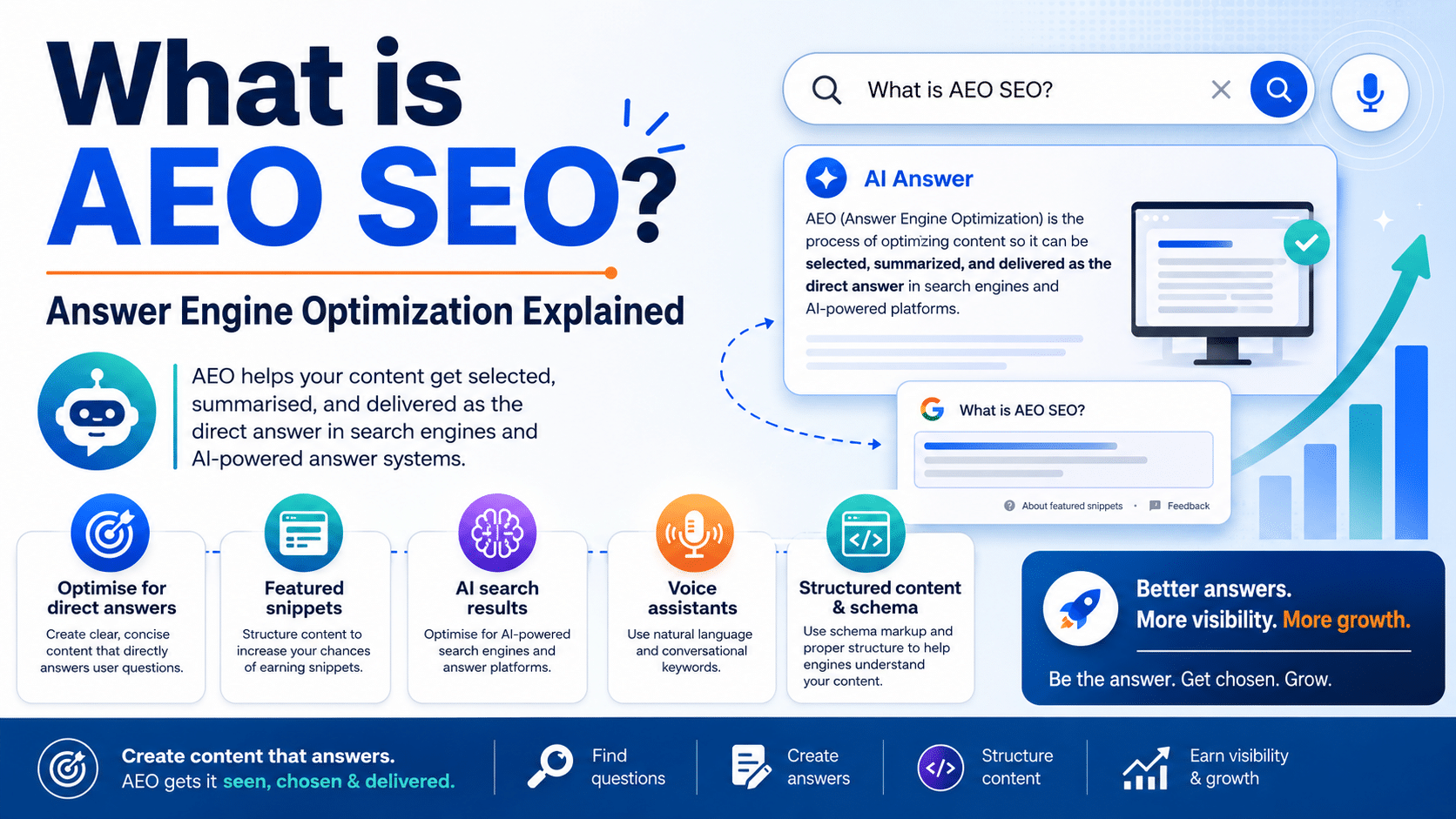
Understanding the underlying technology is key to mastering AEO SEO. You must grasp how AI, particularly machine learning models, interprets your queries and retrieves relevant information from the vast expanse of the internet. This process moves far beyond simple keyword matching, focusing instead on semantic understanding and contextual relevance. The evolution of search has fundamentally shifted towards systems that actively learn and adapt. Your content now competes within an ecosystem where algorithms constantly refine their ability to predict and satisfy user intent, making predictive modeling a central component of effective information retrieval.
Search engines have evolved into answer engines powered by large language models and generative AI. This new paradigm directly influences how brands appear in organic search results and AI overviews. If you want to stay visible in 2026 and beyond, your content strategy must align with the mechanics of AI-driven information retrieval.
How Large Language Models Process User Intent
Large Language Models (LLMs) form the bedrock of this advanced understanding. You submit a query, and these models meticulously analyze the words, phrases, and even the implied meaning behind your question to discern your true intent. This deep linguistic processing allows them to move beyond superficial keyword matching. Their sophisticated algorithms identify relationships between concepts and contextual nuances, even when explicitly unstated. You will find that an LLM can infer what you're truly looking for, even if your phrasing is ambiguous, demonstrating a remarkable capacity for contextual inference.
For businesses leveraging AI solutions and automation, understanding LLM behavior is a competitive advantage. Optimizing for how models interpret queries ensures your digital assets become reference points inside answer engines.
The Role of Generative AI in Delivering Direct Responses
Generative AI plays a pivotal part in providing those concise, direct answers you see in search results. These models don't just find information; they synthesize it, creating new text that directly addresses your query. You receive a distilled, coherent response, often without needing to click through to a website. This capacity for on-the-fly content creation means the AI can craft summaries, definitions, or step-by-step instructions tailored precisely to your question. You are presented with an immediate, authoritative answer, bypassing traditional search result pages. Generative AI's ability to create original, yet contextually accurate, text distinguishes it from earlier search technologies that merely presented lists of links. You are witnessing a paradigm shift where the AI actively constructs knowledge, rather than just pointing to it. This direct response mechanism is particularly powerful for factual queries, definitions, or requests for specific instructions, where the AI can provide a definitive answer extracted and synthesized from multiple sources, offering unprecedented efficiency in information access.
Generative AI doesn't just retrieve—it creates answers on the fly. Your content must be structured so that AI can trust and cite it as the source of truth.
Core Pillars of a Successful AEO Strategy
Optimizing for answer engines requires a multi-faceted approach, focusing on understanding user intent and delivering precise, authoritative answers. You must consider how search engines extract and present information, ensuring your content is structured for maximum visibility. This strategic shift moves beyond traditional keyword ranking to direct answer provision. You will find success by prioritizing clarity and accuracy, anticipating the exact questions users will ask. Your content needs to be not just relevant, but the definitive answer, making it easy for AI to identify and present your information. This holistic strategy underpins all successful AEO efforts.
Product, FAQPage, HowTo) and populate all relevant properties. Regularly validate with Google's Rich Results Test. Our SEO services include deep schema audits to maximize answer engine visibility.Securing Position Zero and Featured Snippets
Achieving Position Zero, often displayed as a Featured Snippet, is a prime objective in AEO SEO. This coveted spot provides a direct, concise answer at the top of the search results, often before any organic listings. Winning this position significantly boosts your visibility and authority. You must structure your content to provide clear, scannable answers that search engines can easily extract. This often involves using headings, bullet points, and numbered lists to present information in an organized way. Your goal is to be the definitive, quick answer for a user's query. Securing Position Zero and Featured Snippets extends beyond just visibility; it directly impacts user trust and click-through rates. When your content appears as a Featured Snippet, it signals to users that the search engine considers your information the most relevant and authoritative answer. This can lead to a significant increase in organic traffic and brand recognition, as users are more likely to engage with content that is endorsed by the search engine itself. You are imperatively becoming the "go-to" source for specific questions within your industry.
Establishing Authority and Brand Trust
Building a strong foundation of authority and trust is paramount in the AEO SEO environment. You must consistently demonstrate your expertise and reliability to both human users and AI systems. This trust translates directly into higher visibility and preferential treatment within answer engine results, making your brand a go-to source for information. Your brand's reputation directly influences how AI systems perceive and present your content. A consistent display of accuracy and value helps establish you as a credible entity, reducing the risk of your content being overlooked or misrepresented by AI-driven answers.
Strengthening E-E-A-T for AI credibility demands showcasing practical experience via case studies, thought leadership, and verifiable credentials. Authenticity signals influence how AI evaluates and prioritizes your domain. Similarly, managing brand citations in AI-generated outputs is essential. Monitor mentions across AI platforms, correct inaccuracies, and establish official brand guidelines. For cross-industry applications, industry-specific digital strategies help reinforce entity consistency across niche ecosystems.
Measuring Success in a Zero-Click Landscape
Understanding your impact in a world where users get answers directly from AI requires a shift in how you define success. You can no longer solely rely on traditional organic click-through rates. Instead, you must measure your content's presence within AI-generated responses and its influence on user journeys. This new measurement framework focuses on brand visibility, answer accuracy, and user engagement even without a direct website visit. You will need to explore innovative ways to track your content's contribution to user understanding and decision-making.
Tracking visibility in AI overviews and chatbots requires specialized tools and manual spot-checks. Identify how often your information is cited or summarized by AI systems. Recognize that brand presence in zero-click interactions builds intangible authority. Also adapt performance metrics for non-linear search paths. Traditional linear models (search → click → conversion) fail to capture how users encounter your brand across multiple AI touchpoints. Consider brand lift, sentiment analysis, and content influence as leading indicators. If you're leveraging PPC services, align paid efforts with answer-engine visibility to reinforce your entity signals.
The fragmented journey means your success metrics now extend beyond direct clicks. Analyze how your content shapes narrative and guides users toward your solutions through indirect AI interactions. AEO prepares your brand for the next-generation search ecosystem, and the brands that adopt it early are the ones building structural moats.
In a zero-click world, your most valuable asset is being cited as the primary source inside answer engines. That influence starts with technical precision and entity clarity.
So, you now understand Answer Engine Optimization (AEO SEO) is about creating content that directly answers user queries, not just matching keywords. You are optimizing for the specific formats and features of answer engines, like featured snippets and direct answers. Your content should be clear, concise, and provide immediate value to the searcher, directly addressing their intent.
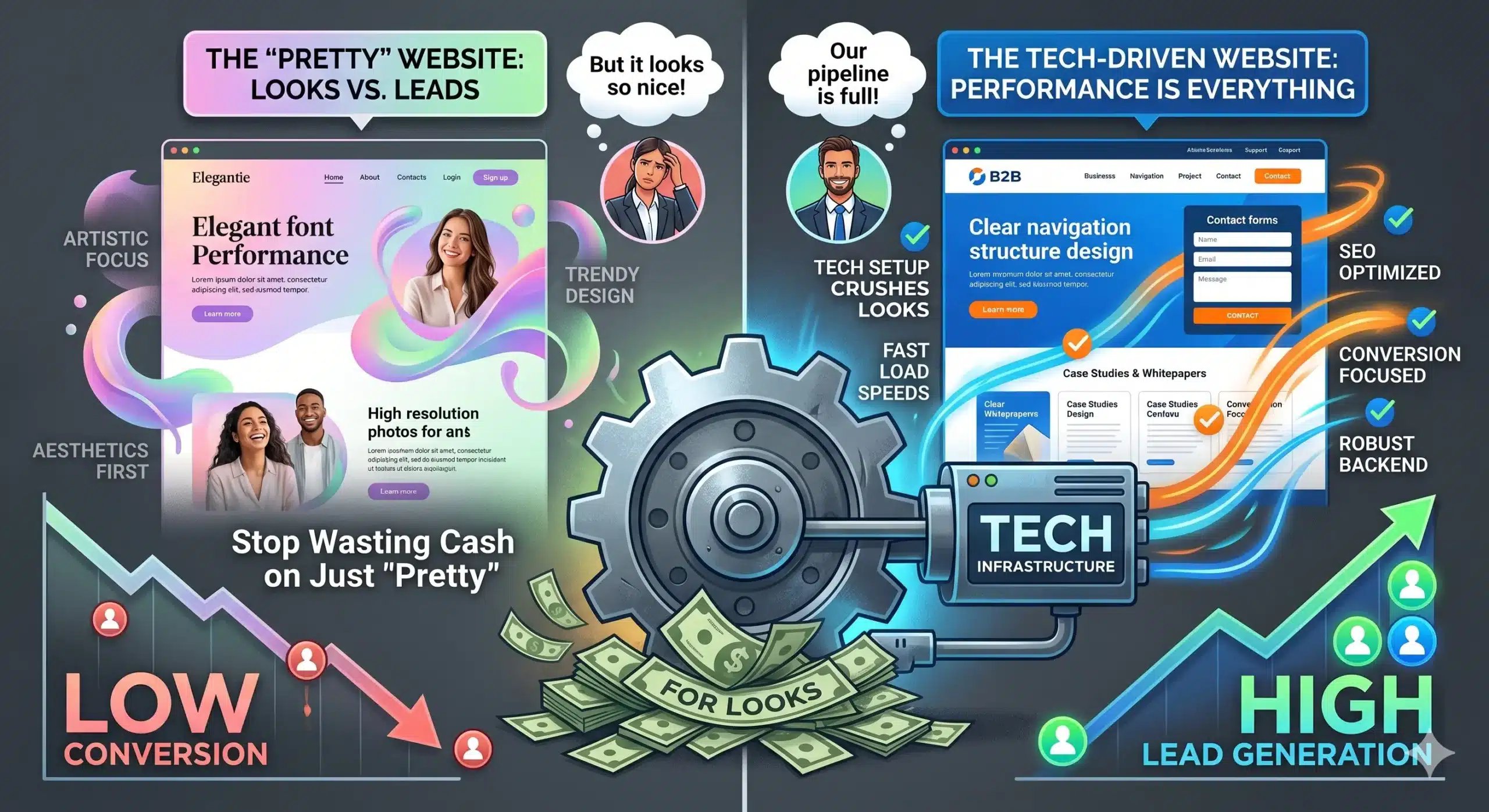
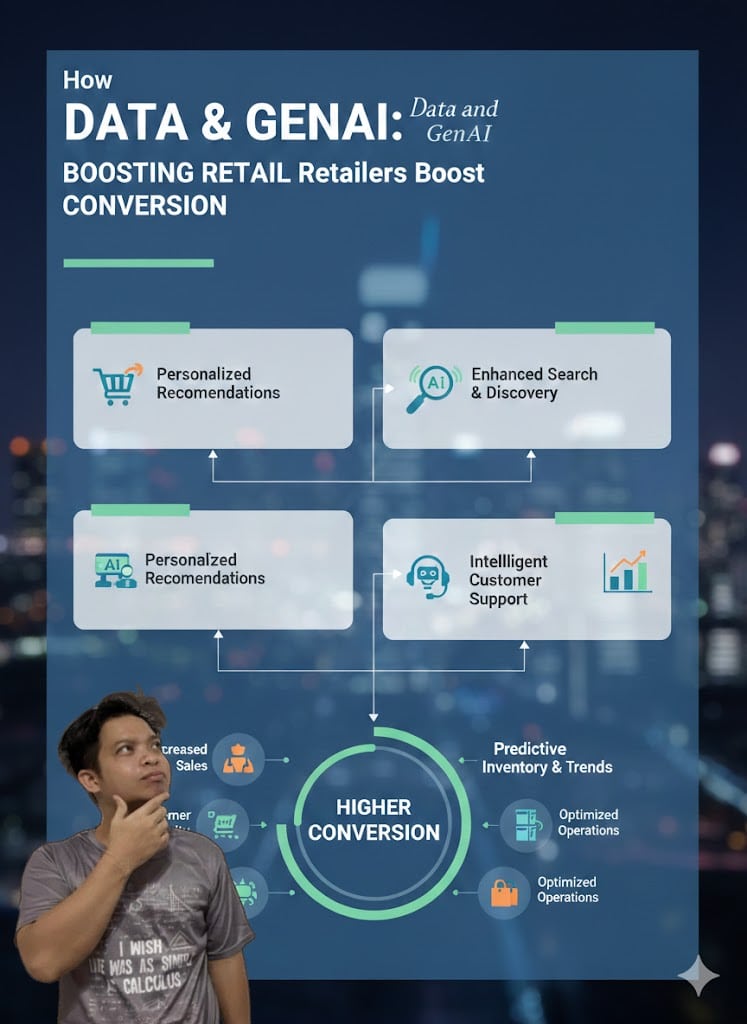
You can see AEO SEO demands a shift in your content strategy. You are moving beyond traditional keyword stuffing to focus on providing definitive solutions. Your goal is to become the authoritative source for specific questions, making your content more likely to be chosen by answer engines. This approach improves visibility and drives qualified traffic to your site. The convergence of AI-driven retrieval and user behavior requires businesses to adopt an engineering mindset — whether it's through technical infrastructure that crushes B2B competition, or leveraging data and GenAI for retail conversion.
Ready to build an answer‑engine ready architecture?
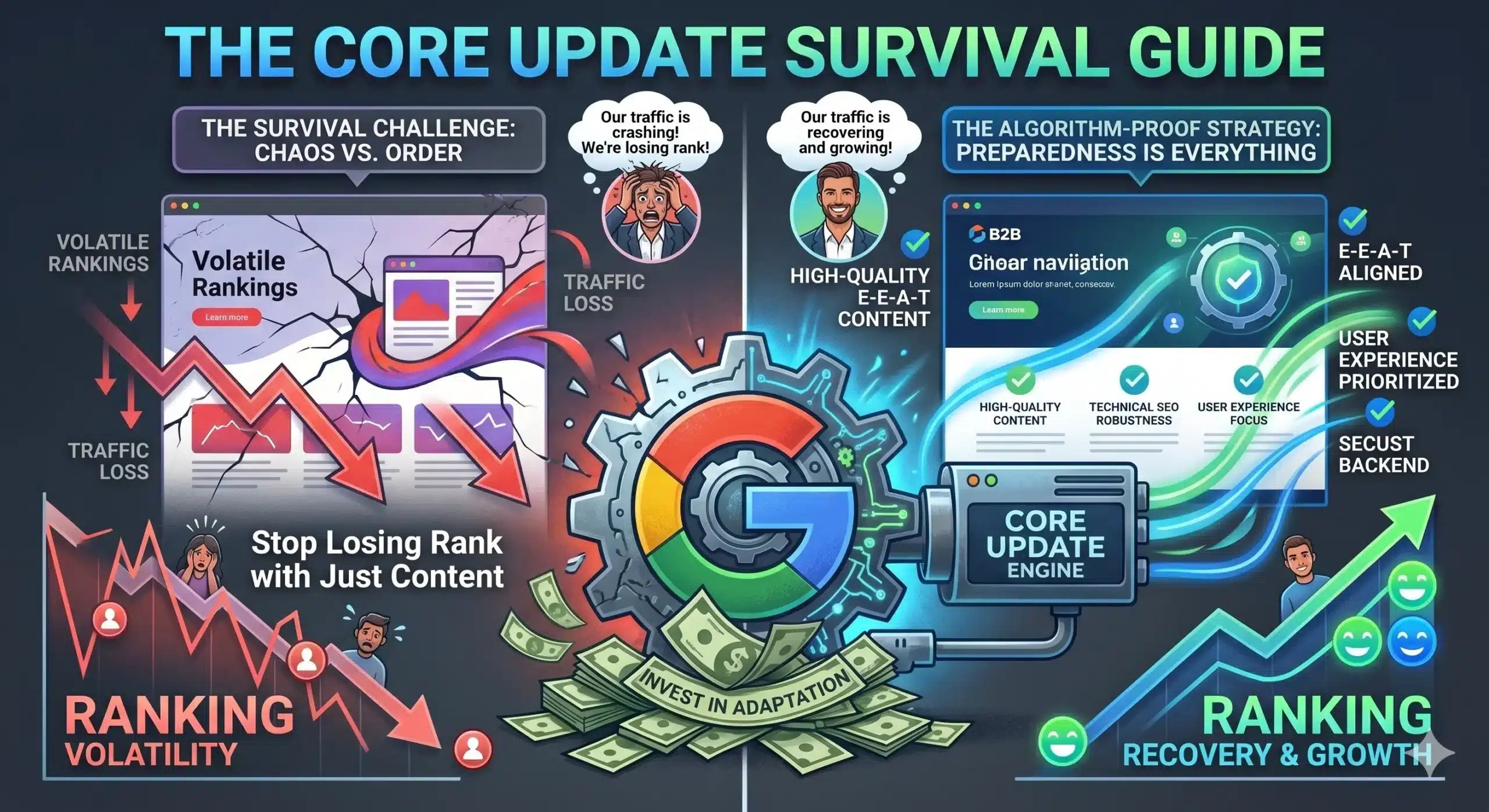
At iWebHacks, we merge AEO methodology with deep technical SEO, schema implementation, and entity optimization. Our teams help you move beyond ranking to become the definitive source for AI-generated answers. Whether you're recovering from core updates or future-proofing for voice & generative search, we provide the structural diagnosis and execution.
Get a complete AEO audit that uncovers how LLMs interpret your content and where you can capture Position Zero. Tap into our client success stories and see how we engineer algorithm-proof digital ecosystems.
Also explore: Core Update Survival Guide · B2B tech setup · GenAI for retail