



AI-Driven Search Evolution: 7 Strategic Focus Areas for 2026
With AI rewriting discovery and decision-making, you must align strategy across seven focus areas to protect growth and trust: prioritize AI-driven personalization to boost relevance, guard data and consent to mitigate privacy and bias risks, invest in real-time insights to adapt journeys, optimize for multimodal search, redesign measurement and governance, upskill teams, and embed ethical guardrails so your brand scales responsibly.
- Search becomes multimodal and semantic, returning unified answers from text, voice, image and video that match user intent across touchpoints.
- Hyper-personalization at scale uses real-time signals and lifetime profiles to tailor journeys and micro-moments dynamically.
- Privacy-forward architectures—on-device processing, consent-first design and strong governance—differentiate brands and ensure compliance.
- Conversational commerce embeds transactions into search, enabling assistants, instant checkout and seamless cross-channel fulfillment.
- Measurement, model governance and new skill sets are required to test causality, explain outcomes and operationalize AI across the customer lifecycle.
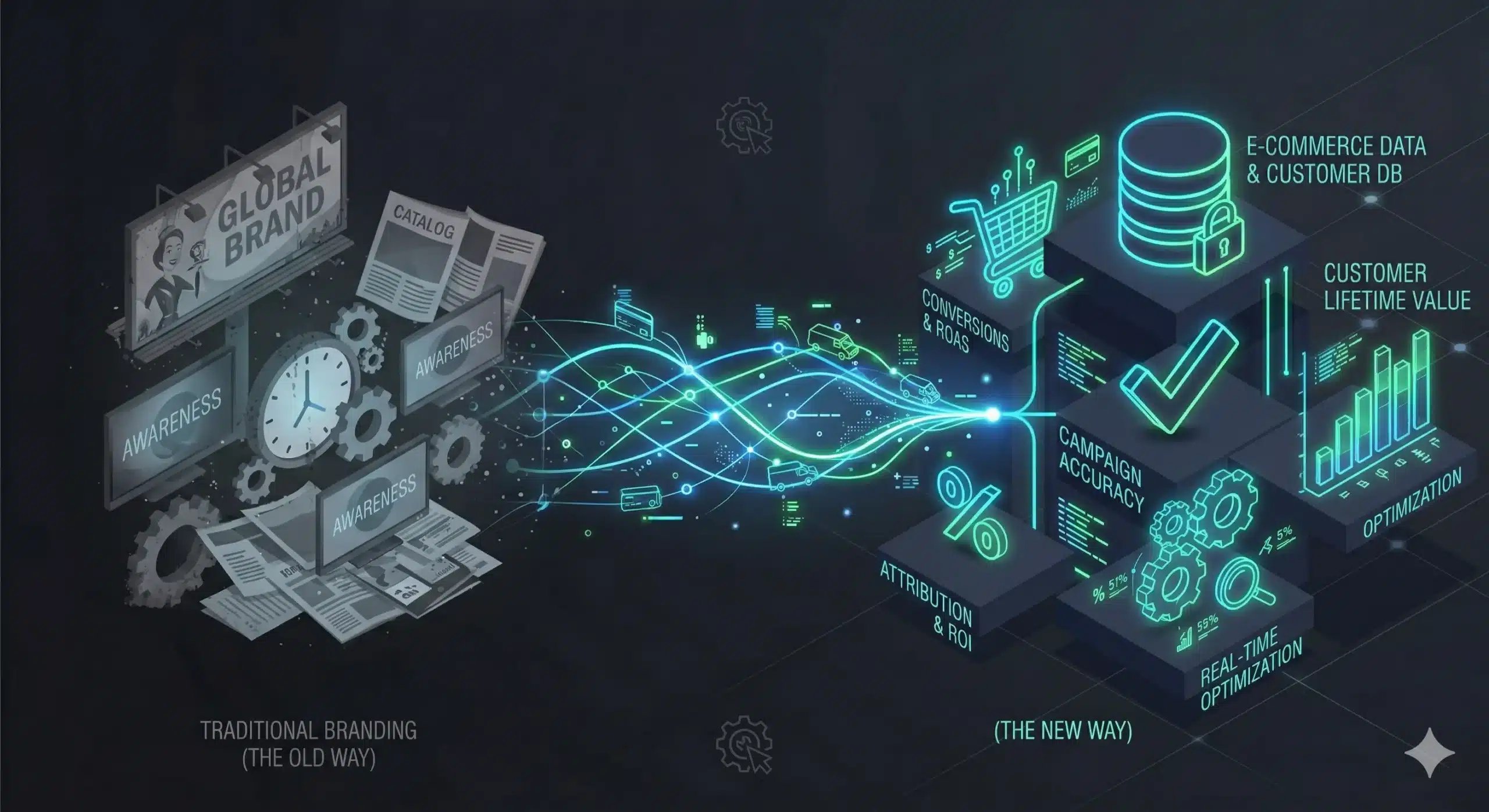
The Evolution of Search Engines
Understanding AI's Role in Search
AI now threads together retrieval, ranking, and generation so that search answers are synthesized rather than simply listed; models like BERT and later multimodal architectures transformed relevance by interpreting context and intent across text, image and voice. You should expect vector-based retrieval (FAISS/Annoy-style indexes) to surface semantically similar documents while a downstream transformer re-ranks and composes a concise answer, which is why companies deploy Retrieval-Augmented Generation (RAG) to combine up-to-date knowledge with model fluency.
Be aware that this architecture brings both opportunity and risk: you get faster, more conversational answers and higher conversion when pipelines are instrumented correctly, but generation layers can hallucinate facts and leak sensitive data if you don’t control training and retrieval sources.
Practical examples include e-commerce chat assistants that map product attributes from catalog embeddings to customer questions, and enterprise search that merges internal docs and external knowledge with entity linking to give single-step solutions instead of multi-page navigation.
The Shift from Keywords to Intent
Search has moved from token-matching to intent-matching: embeddings capture meaning so a single vector query like "best noise-cancelling headphones for remote work" retrieves products, reviews, and setup guides that match the user's goal rather than exact words.
Implementation matters: retailers that map inventory attributes to semantic slots and deploy intent-aware filters report smoother funnels, while publishers that reframe content around user tasks (how-to, comparison, troubleshooting) gain higher engagement from AI-driven SERPs.
To operationalize the shift, you should align content and product taxonomies with intent vectors, instrument first-party events to measure task completion, and use hybrid retrieval (BM25 + dense vectors) to avoid cold-start gaps—this lets you capture both long-tail keyword traffic and high-value intent-driven queries without sacrificing precision or recall.
Personalization and Customer Experience
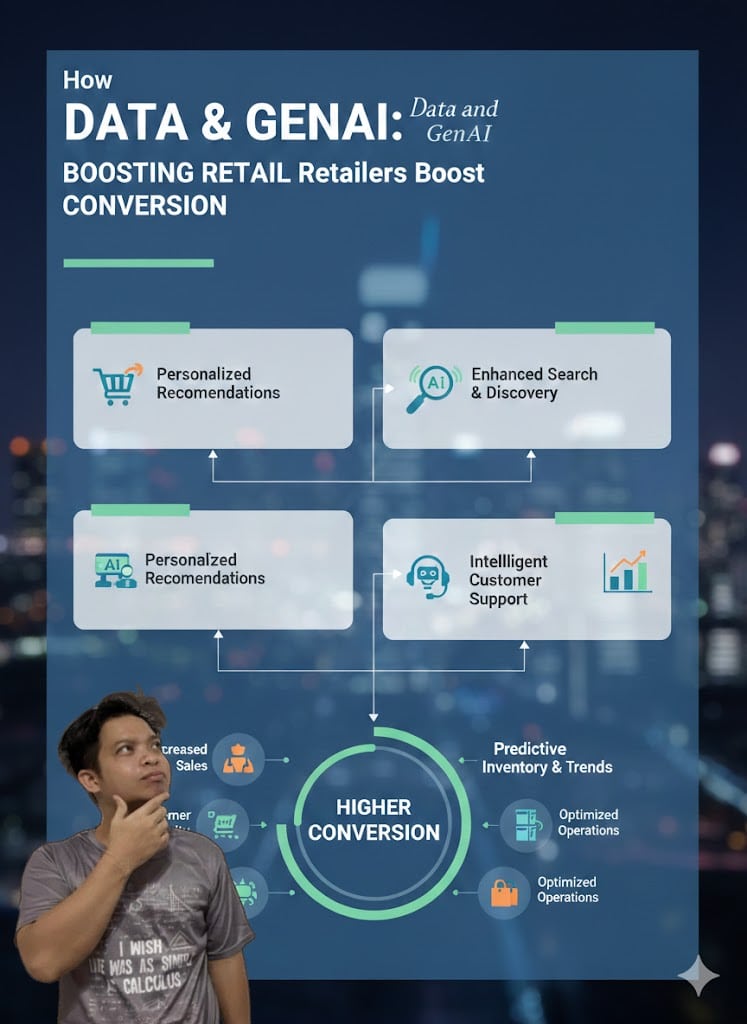
You should treat personalization as a dynamic layer across every touchpoint, not a single feature bolted onto search. Implementing real-time profile enrichment, session stitching, and context-aware ranking lets you serve results that reflect what the user is doing in the moment—whether that's completing a purchase within a mobile app, researching via voice, or comparing options on desktop.
Case studies show this matters: Amazon's recommendation engine is estimated to drive roughly 35% of its revenue, and retailers that deploy real-time personalization often report double-digit conversion uplifts within months when signals are properly instrumented.
Tailored Interactions
You can tailor interactions by combining micro-segmentation with contextual templates: swap hero banners, reorder facets, or push intent-specific CTAs based on in-session behavior and known lifetime value. For example, segment users into high-intent (abandoned cart within 24 hours), research (multi-session product comparisons), and value shoppers (price-sensitive with frequent promo use); then serve distinct result blends and messaging.
Predictive Analytics in Search
You can move beyond reactive ranking by using predictive models to anticipate intent and reorder results before the user finishes typing. Session-based models and LLM rerankers that ingest clickstream, cart history, and temporal signals can increase relevance: production deployments commonly report relevance lifts in the 10-30% range for CTR and engagement.
Voice and Conversational Interfaces
When you map voice into the search and customer journey, design becomes about maintaining context across turns: intent classification, slot filling, and session memory need to be as reliable as your web search index. Implementing schema markup (FAQ, HowTo, Speakable) and exposing clear API endpoints for transactions lets conversational agents deliver consistent answers and actions.
The Rise of Voice Search
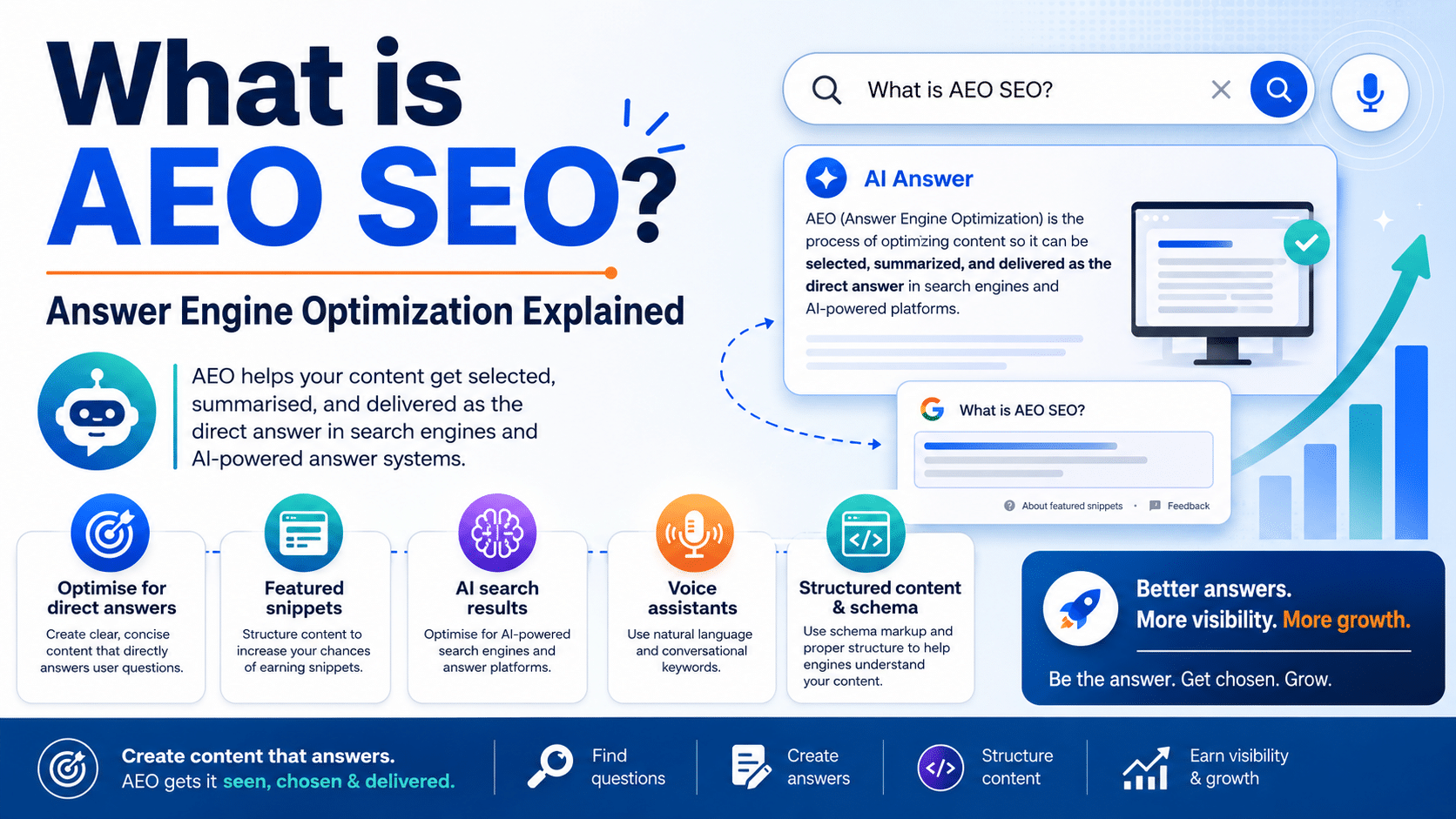
As voice queries shift from keywords to conversational questions, you should pivot your content strategy toward natural-language Q&A and long-tail intents; optimize pages for answer-structured snippets and conversational microcopy that maps to likely follow-ups.
Enhancing User Engagement
Design engagement to be proactive and context-aware: use progressive profiling to surface personalized recommendations, leverage previous session context for follow-up prompts, and combine voice with rich cards on smart displays for cross-modal confirmation.
Visual Search and Augmented Reality
Integrating Visual Content
When you integrate visual search and AR into your stack, start by treating images and 3D assets as first-class search documents: index high-quality photos, multi-angle product renders, and lightweight 3D models (common web formats are .glb and .usdz) alongside structured Product schema.
Changing Consumer Behavior
Consumers increasingly begin journeys with an image or a camera scan, not a typed query; you'll notice more in-store and social-platform-triggered searches where a photo immediately surfaces comparable products, ratings, and nearby inventory.
Data Privacy and Ethical Considerations
You must architect search experiences so that personalization doesn't become a liability; that means treating data minimization as a design constraint, not an afterthought. Practical moves include pushing ranking and re-ranking models onto the device, using on-device models and differential privacy for aggregated telemetry, and switching to cohort or topic-based signals instead of raw identifiers.
Balancing Personalization and Privacy
To maintain personalization without over-collecting, you should prioritize techniques like federated learning, differential privacy (targeting conservative epsilon ranges for sensitive cohorts), and contextual signals that decay quickly after a session.
Regulatory Impacts on AI in Search
Regulators are shifting from guidelines to enforceable rules that directly affect how you build and deploy search AI: GDPR continues to apply the 4% of global annual turnover or €20 million penalty standard for serious breaches, while regional laws like the California CPRA and China's PIPL impose specific rights around automated decision-making, data localization, and opt-outs.
Future Technologies Shaping the Customer Journey
Integration of AI and Machine Learning
You'll deploy retrieval-augmented generation (RAG), vector search (FAISS, Pinecone, Weaviate) and feature-store-backed models to unify product catalogs, support knowledge bases and customer profiles into a single inference path; combining these lets your conversational agents answer product questions with real-time inventory signals and personalized recommendations at sub-100ms latency for web and mobile experiences.
Emerging Technologies to Watch
Pay attention to multimodal LLMs that fuse text, image and audio, on-device private LLMs that reduce data exfiltration risk, and edge AI accelerated by 5G/6G and dedicated NPUs (Apple Neural Engine, NVIDIA Jetson Orin) which make personalized, low-latency experiences feasible in-store and on mobile.
Conclusion
From above you can see that the seven focus areas—data strategy, personalization, privacy and compliance, multimodal and conversational search, seamless UX, measurement and attribution, and governance and ethics—form an integrated blueprint for how AI will reshape search and the customer journey in 2026.
To translate strategy into results you should align teams around clear KPIs, upskill your people for AI-augmented workflows, run focused experiments with generative and retrieval-augmented models, and build robust instrumentation and governance so you can scale confidently.
By iterating rapidly and prioritizing customer intent and ethical controls, you position your organization to capture the advantages of AI-driven search throughout the entire customer journey.
Content focused on AI search strategy • No distractions • Pure information architecture